All Blog Posts

This Teacher Appreciation Week, We Asked You to Write a Letter

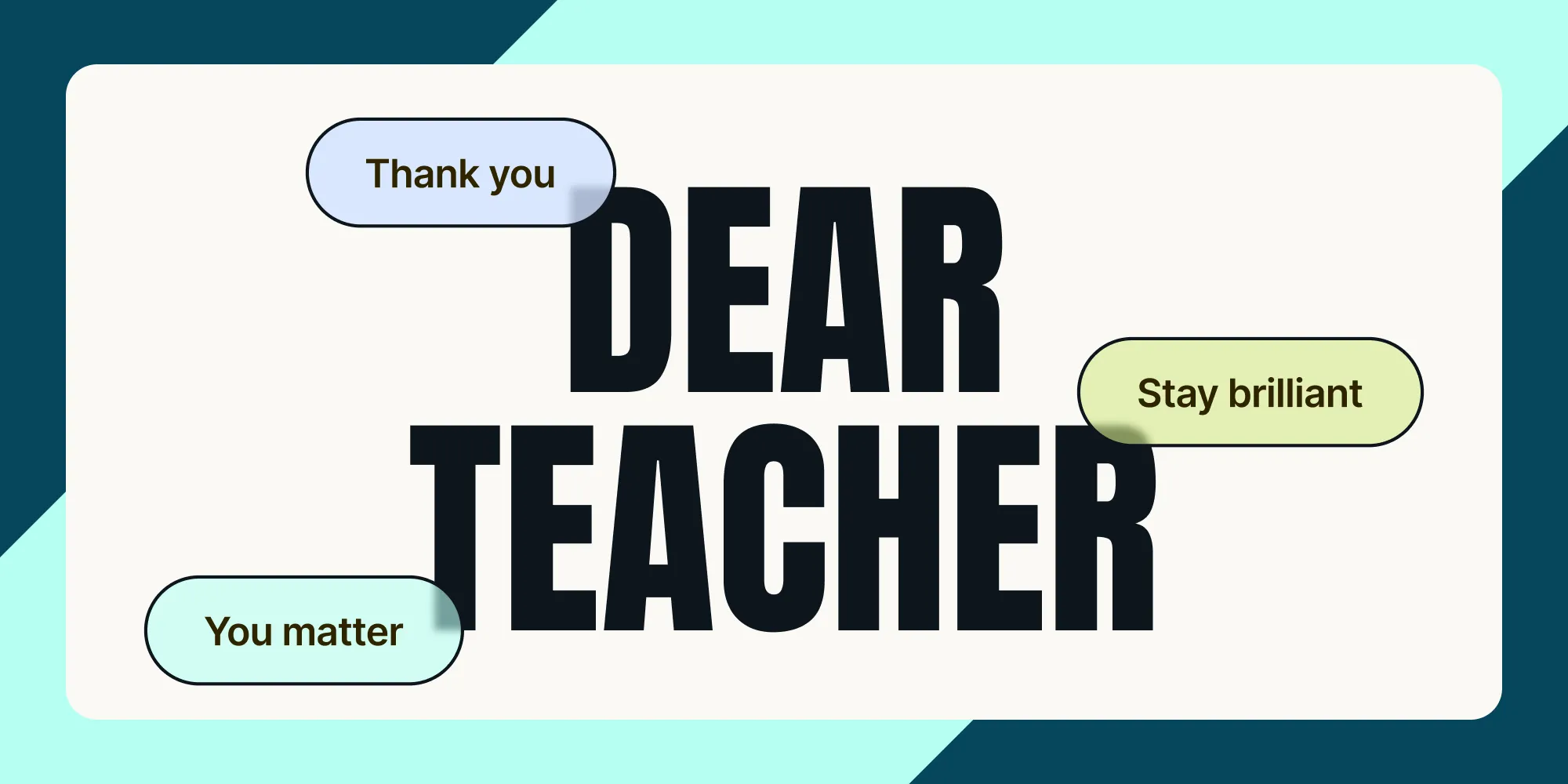
This Teacher Appreciation Week, we built a space for students, parents, and colleagues to share what a teacher truly meant to them.

Teaching is one of those jobs where the full impact rarely reveals itself in real time. A student might not realize until years later that a single class, or a single conversation, changed the direction of something important for them. By then, the teacher has moved on to the next group of kids, with no way of knowing.

So this Teacher Appreciation Week, we built a letter wall: a space where former students, parents, colleagues, and community members could put into words what a teacher truly meant to them.

People wrote about teachers who mentored and believed in them, who sparked a love for a subject that followed them into adulthood, and who modeled the kind of educator they later became themselves. Different stories but all with the same sentiment: this teacher impacted someone’s life beyond the classroom.

Every letter is a reminder that teachers rarely get to see the full reach of their work, and that it stays with people far longer than they probably realize.

Read the letters here.

Published
May 20, 2026
Share this post
Get started free
2,000,000+ educators love it!
Get Started

Less busywork. More impact.

Try Brisk today. Your future self will thank you.

Latest Posts

Brisk in New White Paper on AI's Instructional Impact
Brisk founder Arman Jaffer shares his key takeaways from Whiteboard Advisors’ new white paper on measuring the instructional impact of AI in the classroom.
Thought Leadership
60 Get-to-Know-You Questions for Students (For Every Grade)
60 get-to-know-you questions for students, organized by category and grade — plus, easy ways to use them for icebreakers, morning warm-ups, and first-day connection.
Tips for Teachers
How to Use AI to Create Engaging Activities for Your Students
Engagement drops every year students advance. These eight AI-powered approaches are designed to reverse that — with activities that require students to think, not just complete.
Tips for Teachers