All Blog Posts

Build Classroom Community This School Year with the Help of AI

Không có gì bí mật rằng xây dựng cộng đồng trong lớp học của bạn là rất quan trọng để tạo ra một môi trường giảng dạy tích cực và hiệu quả. Kết nối với học sinh là điều bắt buộc phải làm trong danh sách của mỗi giáo viên vào đầu năm học mới.

Tạo ra một cộng đồng lớp học hỗ trợ đã giúp tăng sự tham gia của học sinh của tôi và mở rộng các kỹ năng cảm xúc xã hội của họ. Hiểu được nhu cầu và động lực riêng của mỗi học sinh đã làm cho môi trường học tập của chúng tôi trở nên tích cực và hiệu quả hơn.

Công nghệ giáo dục là một thứ tôi sẽ sử dụng để giúp xây dựng cộng đồng lớp học của chúng tôi vào mùa thu này. Gần đây tôi đã bắt đầu sử dụng Brisk AI để tạo ra các hoạt động làm quen với bạn cho học sinh của mình. Tôi đã vô cùng ấn tượng với mức độ thân thiện với người dùng của nền tảng AI này đối với giáo viên.

Ý tưởng tương tác làm quen với bạn

Một trong những chìa khóa để xây dựng một cộng đồng lớp học với học sinh là giữ cho họ tham gia và hào hứng với việc học.

Bạn có nhớ những lo lắng trong ngày đầu tiên khi bắt đầu năm học mới không? Một cách nhanh chóng để giúp sinh viên thoải mái là với các hoạt động làm quen với bạn.

Với Brisk AI, giáo viên có thể tạo ra một số hoạt động làm quen tương tác trong vài phút. Trước tiên bạn sẽ cần cài đặt miễn phí Tiện ích mở rộng Chrome Teaching Brisk.

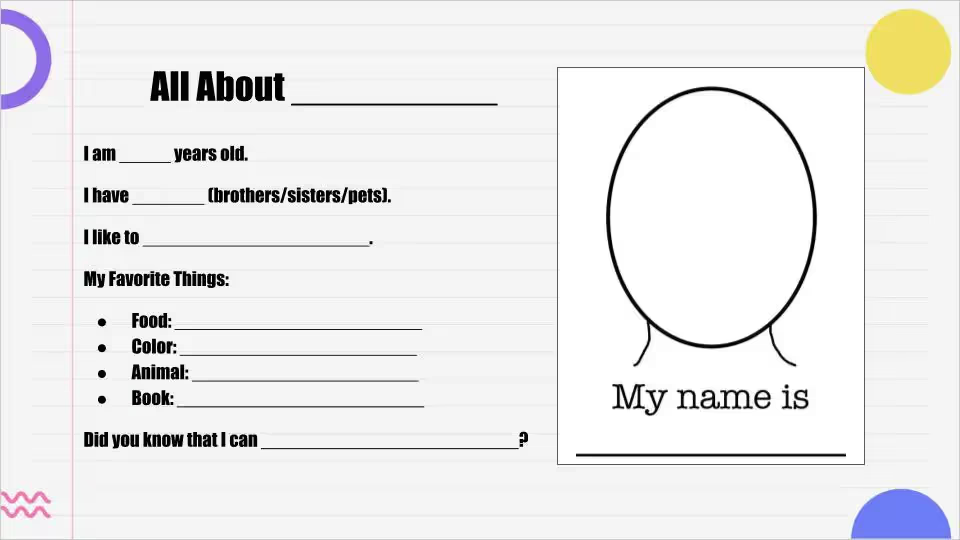
HOẠT ĐỘNG 1: Ai là ai! Sổ Lớp học

  1. Mở một bảng trượt Google trống để bắt đầu.
  2. Nhấp vào Brisk ở góc dưới bên phải màn hình của bạn.
  3. Nhấp vào 'Tạo'.
  4. Nhấp vào 'Trình bảnh'.
  5. Nhập vào hộp văn bản: “Tạo một cuốn sách lớp học nơi học sinh có thể chia sẻ tất cả về họ là ai và những điều yêu thích của họ.”
  6. Xem cuốn sách lớp học được tạo ra trong vài giây!
  7. In sách của bạn ra hoặc yêu cầu học sinh hoàn thành sách kỹ thuật số bên trong Google Classroom vào đầu năm và giúp học sinh tìm hiểu về các bạn cùng lớp.
HOẠT ĐỘNG 2: Get-to-Know-You Jeopardy

  1. Mở một tài liệu Google trống để bắt đầu.
  2. Nhấp vào Brisk ở góc dưới bên phải màn hình của bạn.
  3. Nhấp vào 'Tạo'.
  4. Nhấp vào 'Quiz'
  5. Nhập vào hộp văn bản: “Tạo một trò chơi nguy hiểm làm quen với bạn bao gồm các danh mục và câu hỏi dựa trên sở thích, công việc mơ ước, sách/phim yêu thích, v.v. Đảm bảo nguy hiểm khuyến khích học sinh chia sẻ và xây dựng cộng đồng lớp học xung quanh sở thích chung”.
  6. Xem nguy cơ Get-to-Know-You tạo ra trong vài giây!

HOẠT ĐỘNG 3: Chọn câu chuyện phiêu lưu của bạn

  1. Mở một tài liệu Google trống để bắt đầu.
  2. Nhấp vào Brisk ở góc dưới bên phải màn hình của bạn.
  3. Nhấp vào 'Tạo'.
  4. Nhấp vào 'Một cái gì đó khác'
  5. Nhập vào hộp văn bản:”Tạo một cuốn sách phiêu lưu chọn của riêng bạn. Cung cấp các kịch bản khác nhau để học sinh đưa ra lựa chọn dẫn họ đến các kết quả khác nhau. Đan yếu tố làm quen với bạn vào cốt truyện bằng cách bao gồm các tình huống trong đó học sinh tìm hiểu sự thật thú vị về nhau, đoán sở thích và đưa ra quyết định về cách điều hướng các tình huống xã hội, chẳng hạn như tìm bạn cho một dự án dựa trên sở thích chung.
  6. Xem câu chuyện Choose Your Adventure được tạo ra trong vài giây!

HOẠT ĐỘNG 4: Trình bày quy tắc lớp học lấy cảm hứng từ Thế vận hội

  1. Mở một bảng trượt Google trống để bắt đầu.
  2. Nhấp vào Brisk ở góc dưới bên phải màn hình của bạn.
  3. Nhấp vào 'Tạo'.
  4. Nhấp vào 'Trình bảnh'.
  5. Nhập vào hộp văn bản:”Tạo một bài thuyết trình với 5 quy tắc lớp học cho lớp học khoa học lớp 6 của chúng tôi. Mỗi quy tắc nên được theo chủ đề xung quanh các vận động viên Olympic. Bao gồm các quy tắc sau: Tôn trọng người khác, chuẩn bị, tập trung, học hỏi từ những thử thách khó khăn, ăn mừng lẫn nhau.

Những điểm nhấn bổ sung này sẽ giúp học tập trở thành một bữa tiệc ngủ đông và tăng sự tham gia và tham gia của học sinh!

Thêm sở thích và nhu cầu của học sinh:

Mỗi học sinh là duy nhất. Nội dung giáo dục của họ cũng phải như vậy! Một số học sinh của bạn thích sách, một số không thể học đủ thể thao và những người khác có thể chỉ về trò chơi điện tử hoặc nghệ thuật. Phần thú vị về việc sử dụng AI trong lớp là nó cho phép bạn kết hợp mọi thứ để việc học cảm thấy phù hợp với mỗi học sinh.

Brisk AI nhanh chóng giúp giáo viên tạo, điều chỉnh và phân biệt nội dung giáo dục để phù hợp với nhu cầu và sở thích học tập được cá nhân hóa của học sinh. Nó cho phép bạn tinh chỉnh các bài học để phù hợp với tiêu chuẩn tiểu bang cụ thể của bạn và khả năng của học sinh, làm cho chúng trở nên hoàn hảo cho tất cả mọi người.

Tùy chỉnh tốc độ của chương trình giảng dạy của bạn bằng cách yêu cầu Brisk AI chia nhỏ các nhiệm vụ thành các bước nhỏ hơn hoặc đưa ra ý tưởng cho chỗ ở và nhóm nhỏ.

  1. Mở kế hoạch bài học của bạn trong Google Drive và nhấn vào Biểu tượng Brisk ở góc dưới cùng của màn hình.
  2. Chọn tính năng 'Kế hoạch bài học' và nhập cấp lớp và thời gian bài học sẽ mất bao lâu. Bạn cũng có thể thêm các tính năng cụ thể mà kế hoạch bài học nên có, chẳng hạn như hướng dẫn nhịp độ chia nhỏ bài học trong 5 ngày hoặc các hoạt động mở rộng cho người học có năng khiếu.

Sử dụng tính năng 'Thay đổi cấp độ' của Brisk để thay đổi độ phức tạp của văn bản để giúp người học hiểu rõ hơn về nội dung.

  1. Chọn một văn bản bạn muốn sử dụng trong bài học của mình từ Google Drive hoặc tài nguyên trực tuyến.
  2. Nhấn vào biểu tượng Brisk ở góc dưới cùng của màn hình của bạn.
  3. Sử dụng tính năng 'Thay đổi cấp độ' trên Brisk Teaching để sửa đổi ngôn ngữ của văn bản, đơn giản hóa hoặc tăng độ phức tạp của từ vựng và cấu trúc câu dựa trên cấp lớp bạn đã chọn.

Tạo các bài thuyết trình dạy các khái niệm bằng cách sử dụng các chủ đề mà học sinh của bạn yêu thích! Dạy về nhu cầu cơ bản của sinh vật bằng Pokémon? Vâng, làm ơn!

  1. Bên trong Google Slides, chạm vào biểu tượng Brisk ở góc dưới cùng của màn hình của bạn.
  2. Chọn 'Tạo 'và 'Thêm Slides' cùng với hướng dẫn về những gì tài nguyên của bạn nên bao gồm - hướng dẫn của bạn càng cụ thể thì càng tốt!

Khi học sinh của bạn thấy rằng bạn đang thêm phong cách học tập, sở thích và nhu cầu học tập của họ, họ sẽ có nhiều niềm vui hơn!

Tăng cường kết nối nhà-trường học:

Nghiên cứu cho thấy sự tham gia của gia đình vào quá trình học tập là rất quan trọng để thiết lập một cộng đồng lớp học vững chắc. Với Brisk AI, giáo viên có thể dễ dàng giới thiệu công việc của học sinh trong các bản tin gia đình. Brisk cũng có thể tạo email giúp duy trì kết nối nhà trường.

Thật dễ dàng để cập nhật mọi người và cảm thấy như họ là một phần của quá trình học tập. Chỉ với một vài cú nhấp chuột, bạn có thể sao chép và dán thông tin trực tiếp vào bản tin của trường.

Khi giáo viên tham gia các thành viên trong gia đình, tỷ lệ tham gia của học sinh sẽ cao hơn. Thêm vào đó, các gia đình sẽ thích được thông báo và biết những gì đang xảy ra trong lớp học của con họ.

Sẵn sàng để tăng sự tham gia của sinh viên?

Sử dụng AI cho giáo viên trong lớp học của bạn sẽ giúp bạn kết nối với học sinh và làm cho việc học trở nên thú vị và thực hành hơn. Xây dựng cảm giác thân thuộc thông qua các kế hoạch bài học và tài nguyên cho việc dạy và học bằng một cú nhấp chuột chưa bao giờ dễ dàng hơn thế.

Bạn muốn thử Brisk AI và trải nghiệm tác động tích cực của nó đối với cộng đồng lớp học của bạn? Cài đặt miễn phí ở đây.

Heading 1

Heading 2

Heading 3

Heading 4

Heading 5
Heading 6

Lorem ipsum dolor sit amet, consectetur adipiscing elit, sed do eiusmod tempor incididunt ut labore et dolore magna aliqua. Ut enim ad minim veniam, quis nostrud exercitation ullamco laboris nisi ut aliquip ex ea commodo consequat. Duis aute irure dolor in reprehenderit in voluptate velit esse cillum dolore eu fugiat nulla pariatur.

Block quote

Ordered list

  1. Item 1
  2. Item 2
  3. Item 3

Unordered list

  • Item A
  • Item B
  • Item C

Text link

Bold text

Emphasis

Superscript

Subscript

Latest Posts

Latest from the Brisk Blog

Explore practical articles for K–12 educators, from classroom-ready strategies to thoughtful guidance on using AI in ways that support real teaching.

Library shelves filled with books
August 14, 2026
Thought Leadership

Brisk in New White Paper on AI's Instructional Impact

Brisk founder Arman Jaffer shares his key takeaways from Whiteboard Advisors’ new white paper on measuring the instructional impact of AI in the classroom.

AI is in the midst of a massive hype cycle. You know. I know it. Any person you stop on the street knows it. That doesn’t mean AI is all hype — far from it. It just means that, especially in a field like education, we shouldn’t treat every use of AI as equally valuable.

As with any tool, technology, or technique, our ability to scale the benefits of AI will hinge on how effectively we quantify AI-supported practices in the classroom. To that end, we recently commissioned a white paper from Whiteboard Advisors, “From Efficiency to Efficacy: Measuring AI’s Instructional Impact,” that explores a new way to approach this measurement.

The white paper details the need for a well-defined framework for connecting AI use to the learning science principles that research tells us drive student outcomes. It highlights the newest metric that school and district leaders will see in their Brisk dashboards this year, Quality Instructional Moments, as a strong example of how educators can draw these connections.

AI helps teachers do more of what they know works

There are decades upon decades of peer-reviewed research on the kinds of instructional practices that promote student achievement. The biggest obstacle to effective teaching isn’t knowing what to do, but finding the bandwidth to do it. As the white paper states:

We know that students learn better when they receive frequent, specific feedback rather than waiting weeks for a test grade. We know that students learn more when they’re working at the edge of their ability, challenged but not overwhelmed. And we know that the practices most likely to move students — responsive instruction, meaningful relationships, timely feedback and intervention — are also the ones most likely to get crowded out by everything else educators are asked to do.

Minimizing this “crowding out” is where AI has the greatest potential in education. AI isn’t a replacement for great teaching; it’s the infrastructure that makes it possible to implement proven practices with greater frequency, fidelity, and consistency.

Moving from higher productivity to increased teaching capacity

To reiterate: AI’s true value is not just that it enables teachers to do more, but that it enables them to do more of what really works.

Which is not to say that productivity and efficiency boosts are meaningless. For a long time, Brisk measured our impact in terms of hours saved on tasks like grading, resource writing, and administrative work. We all want to save time wherever we can — no harm in that. But as school and district leaders repeatedly asked, “How does Brisk actually support student learning?”, we realized we needed to take a more comprehensive view of what happens in the classroom.

What really matters is what teachers do with the time they save. When they reinvest the time in implementing proven instructional practices — differentiating instruction for every student, using data to drive decisions, intentional planning — that’s when student outcomes tend to improve.

Using Quality Instructional Moments as a leading indicator of learning

You might be wondering, “How do you track if and when any of this is happening?” It’s a good question.

Traditional success metrics like standardized test scores and graduation rates paint part of the picture, but they lag years behind the instructional actions that shaped them. In an effort to provide leaders with a leading indicator of effective instruction, we landed on Quality Instructional Moments.

As we define it, an instructional moment is a discrete, observable student interaction that:

  1. Is grounded in learning science;
  2. A teacher wouldn’t have been able to facilitate on a regular basis without the increased capacity carved out by AI.

Think: A teacher uses Brisk to provide every student with personalized, rubric-aligned feedback on the same day students turn in their essays. Or, a teacher uses Brisk to generate multiple versions of an activity to ensure each student’s assignments are challenging enough to promote growth but scaffolded enough to remain achievable.

These are the kinds of instructional moments that drive results. They’re also the kinds of moments that school and district leaders can now track in Brisk. (We get that every district has different priorities, so districts are able to customize how they measure instructional moments in Brisk based on their unique pedagogical approach.)

Get the full story

Whiteboard Advisors’ white paper does a great job of unpacking all the considerations that go into tracking AI’s impact in the classroom. It covers the entire spectrum of research-backed instructional practices that ground instructional moments, the five questions every district leader should ask when evaluating AI solutions, and a whole lot more.

It’s a quick and, for those of us who are interested in these things, incredibly compelling read. I’d encourage you to check it out.

– Arman Jaffer, Founder, Brisk Teaching

Library shelves filled with books
July 27, 2026
Tips for Teachers

60 Get-to-Know-You Questions for Students (For Every Grade)

60 get-to-know-you questions for students, organized by category and grade — plus, easy ways to use them for icebreakers, morning warm-ups, and first-day connection.

The first week of the school year sets the tone for the months of learning that follow. The fastest way to establish a classroom environment in which students feel comfortable talking, laughing, and taking productive risks together is to provide regular opportunities for students to build meaningful connections with each other.

A good set of get-to-know-you questions can do a lot of the heavy lifting here. These questions lower the temperature for nervous students, give quieter kids an easy on-ramp into discussions, and show you what kind of personalities you have in the room before you even start your first lesson.

Below are 60 get-to-know-you questions for students, sorted into categories you can pull from all year — not just on day one. (Skim to the grade-specific notes near the end for tips for getting the most out of these questions in your classroom.)

How to Use Get-to-Know-You Questions

While these questions are invaluable during the first week of school, they’re just as powerful in many other contexts throughout the year. In addition to using them as first-day icebreakers, always keep a few on hand for:

  • Morning (or class period) warm-ups: Pose one question a day (or every Monday) to get everyone’s juices flowing.
  • Exit tickets: Use a reflection question to keep students engaged during the final few minutes of class.
  • Digital or remote learning: Drop a question into a poll, a shared doc, or a discussion board so students can answer without the pressure of the spotlight. If you want a quick set of interactive questions tailored to your grade and subject, you can generate them with Brisk Boost, a student-facing, AI-supported workspace that puts you in control of what’s shared.

Regardless of when you’re using these get-to-know-you questions, make sure you keep these best practices in mind:

  • Keep it low stakes: Let students pass if a question doesn’t land for them, and answer the questions yourself so the sharing feels mutual.
  • Specify a format: Pick a response format that aligns with the energy in your classroom on the day, whether it’s a turn-and-talk with a partner, a quick go-around, a written response, or a digital poll.
  • Return to high-impact questions: Asking a question in September and then again in January is a great way to show students how much has changed over the course of a few months.

Icebreaker & First-Day Questions

These icebreaker questions for students invite short, low-stakes answers. Pair these with a few active icebreaker games to get everyone moving.

  1. What are you hoping this year will be like?
  2. What’s one word your friends would use to describe you?
  3. If we were going to pick a mascot for our class, what should it be?
  4. What’s something you’re looking forward to this year?
  5. What makes a classroom feel like a good place to be?
  6. What’s a fun fact about you that surprises people?
  7. What fictional world would you like to live in?
  8. What’s the farthest you’ve ever traveled from home?
  9. If you could switch places with anyone for a day, who would it be?
  10. What makes you feel welcome in a new group?

Fun & Favorites Questions

Easy, low-pressure questions are perfect for any time you need a quick warm-up.

  1. What’s something you’re really good at that most people don’t know about?
  2. If you had to eat only one meal for the rest of your life, what would it be?
  3. What’s the best movie or show you’ve watched recently?
  4. What song do you have on repeat right now?
  5. What’s your favorite way to spend a Saturday?
  6. If you could instantly master any skill, what would it be and why?
  7. What’s a book, game, or hobby you could talk about forever?
  8. What’s your go-to snack?
  9. What’s the best gift you’ve ever received?
  10. If you had a whole day with no plans, what would you do?

This-or-That & Would-You-Rather Questions

These this-or-that-questions for students promote whole-class participation. For a more active experience, let students respond with a hand gesture or by walking to one side of the room or the other.

  1. Summer or winter?
  2. Sweet or salty?
  3. Early bird or night owl?
  4. Books or movies?
  5. Mountains or beaches?
  6. Would you rather be able to fly or be invisible?
  7. Would you rather never have homework or never have a test again?
  8. Would you rather explore space or the deep ocean?
  9. Would you rather always be 10 minutes late or 20 minutes early?
  10. Would you rather have a rewind button or a pause button for your life?

Getting Comfortable Questions

A step past the icebreakers, these questions help students share a little more about themselves once the classroom has been established as a welcoming environment.

  1. Who’s someone you look up to, and why?
  2. What’s something you’ve worked hard to get better at?
  3. What’s a tradition your family or friends have?
  4. When do you do your best thinking?
  5. What’s a mistake that taught you something?
  6. What’s something that always makes you laugh?
  7. Where’s your favorite place to be?
  8. What’s a small thing that makes any day better?
  9. What have you been curious about lately?
  10. What’s something you’d love to spend more time doing?

Questions About Learning & School

These are the kinds of questions to ask students when you want insights you can incorporate directly into your teaching — how students learn, what helps them, and what gets in their way.

  1. What’s a subject or topic you genuinely enjoy?
  2. How do you like to work best: alone, in pairs, or in a group?
  3. What helps you focus when things get noisy or busy?
  4. What’s something a teacher has done that really helped you?
  5. When you’re stuck, what do you usually do first?
  6. What does a good day at school look like for you?
  7. What’s something you wish teachers understood about you?
  8. How do you like to get feedback on your work?
  9. What’s a goal you have for this year?
  10. What’s one thing that would make this class better for you?

Social-Emotional Learning Questions

Save these questions for later in the year, as they require a certain level of trust and familiarity among students.

  1. What does being a good friend mean to you?
  2. When was a time you felt really proud of yourself?
  3. How can you tell when someone’s having a hard day?
  4. What helps you calm down when you’re frustrated?
  5. What’s something kind someone did for you that you still remember?
  6. Who do you go to when you need help?
  7. What are you grateful for right now?
  8. What’s something you’d like to get better at as a classmate?
  9. What makes you feel respected?
  10. What inspires you?

Picking the Right Questions for Your Grade

  • Elementary school: Start with favorites and this-or-that questions. As you incorporate more complex questions, provide your answer first as a way to model what a complete response looks like. Movement voting — e.g., walking to the “sweet” side of the room or the “salty” side of the room — can help keep younger learners engaged.
  • Middle school: Make sure students are comfortable by using low-spotlight formats like written responses, anonymous polls, or partner shares before jumping into whole-class go-arounds. (Pro tip: Students at this age love debating would-you-rather questions.)
  • High school: Lean into the learning styles and SEL questions. Older students can handle real reflection, and they notice when you incorporate what they share into your teaching. Frame the conversations as “help me teach you well,” not just “share your feelings.”

Frequently Asked Questions

What makes for a good get-to-know-you question for students?

Early on in the school year, the best questions are specific, low stakes, and easy to answer in a sentence — favorites, would-you-rather choices, and light “tell me about yourself” prompts. Save deeper reflection questions for once you’ve built a positive classroom dynamic.

How do you use get-to-know-you questions in the classroom?

Use them as first-day icebreakers, daily warm-ups, exit tickets, or digital polls. Give students a clear format (partner talk, go-around, written response), let them pass, and answer each question yourself.

What questions can I ask to get to know my students better as learners?

Ask about what they enjoy learning, what helps them focus, and what they wish teachers understood. The answers will give you insights you can teach with, not just fun facts.

When should I use get-to-know-you questions?

The first week of school is the most obvious opportunity, but they’re just as useful after long breaks, when a new student joins your class, or any time you want to reset class energy.

Start the Year by Connecting with Your Students

You don’t need to step into the classroom on the first day of school and ask 60 get-to-know-you questions. In fact, you really shouldn’t — that might scare students a little.

Instead, pick five of your favorites for the first day, keep a few in your back pocket for slow moments, and work your way toward the deeper questions as trust develops. The questions may be simple, but the payoff can be huge: A class that knows each other, trusts you, and is ready to learn together.

Want to generate your own get-to-know-you questions in seconds? Use Brisk's Create Anything tool to generate a list of get-to-know-you questions tailored to your classroom needs in seconds. Free to use for teachers — get started with Brisk today.

Library shelves filled with books
July 20, 2026

30 Fun First-Day-of-School Activities [2026 Edition]

Kick off the year with 30 first day of school activities for elementary, middle, and high school — icebreakers, games, and get-to-know-you ideas, each with a Brisk prompt to get you started.

Set the Tone for the New School Year

While these activities are perfect for back-to-school season, they’re just as powerful anytime you want to build connection, spark curiosity, or shift the energy in your classroom. Whether you’re kicking things off with a new group, regrouping mid-semester, or hitting reset after a tough week, these ideas help you reconnect, recharge, and refocus — no matter the date on the calendar.

Students thrive when they feel safe, valued, and inspired. And that kind of classroom doesn’t just happen. It’s built in the small, intentional moments — where students get to reflect, laugh, lead, and learn with each other. That’s what these activities are designed for.

From creative icebreakers and curiosity sparks to reflection prompts and student-led challenges, this collection helps you create a space where students feel like they belong — and where learning feels meaningful, not mandatory.

Each activity includes a Brisk prompt to help you plan faster, personalize with ease, and meet every learner where they are. Here’s how to use them:

  1. Open Brisk in your Chrome browser.
  2. Click “Create Anything.”
  3. Copy and paste the prompt from this post.
  4. Customize it if needed, then generate your activity, resource, or discussion.

Whether you’re trying something new tomorrow or saving it for a future refresh, this list is here when you need it. 


Because what you do today sets the stage for what comes next.

Get-to-Know-You Games

Break the ice without the awkwardness. These activities are designed to help students feel seen without the spotlight being too bright. Whether it’s laughing over shared quirks or finding out who else puts hot sauce on everything, these ideas ease students into the room while helping you start learning who they are. Low pressure, high connection.

1. Find Someone Who... with a Twist

Each student receives a bingo-style sheet — but instead of generic traits, include quirky prompts like “loves pineapple on pizza” or “can make a weird animal noise.”

  • Why it works: Students discover fun facts and unexpected common ground. 
  • Brisk prompt: Generate a playful “Find Someone Who” board with 25 unique, humorous, and culturally inclusive prompts for [insert grade level] students.

2. Would You Rather? Movement Game

Read off questions like “Would you rather teleport or time travel?” and students move to a side of the room to show their answer.

  • Why it works: Builds comfort, encourages participation, and gets students moving.
  • Brisk prompt: Create a list of 20 fun “Would You Rather” questions for [insert grade level] students.

3. Emoji Introductions

Students pick 3 emojis that represent them and explain why. Can be shared verbally, drawn, or written.

  • Why it works: Invites self-expression in a digital-native language.
  • Brisk prompt: Generate a prompt asking students to introduce themselves using only emojis and a brief explanation for [insert grade level] students.

4. Personality Playlist

Each student picks a song that represents their energy or personality. Play short clips and have classmates guess who picked what.

  • Why it works: Fosters self-awareness and community through music.
  • Brisk prompt: Generate a student-friendly prompt: “If your personality were a song, what would it be and why?”

5. Memory Match: Name + Fun Fact Edition

Pair students to share a fact, then remix into a memory game: “This is Max — he once ate a cricket!”

  • Why it works: Makes names and stories stick through fun repetition.
  • Brisk prompt: Create a guide for a memory-style name game with student facts for [insert grade level] students.

6. Icebreaker Skits

Students act out mini scenes that represent a favorite hobby, habit, or summer moment.

  • Why it works: Adds movement, fun, and laughter to self-intros.
  •  Brisk prompt: Generate a list of silly skit prompts that students can act out in pairs or groups of three for [insert grade level] students.

Community + Belonging

Build a classroom culture where everyone matters. From day one, students are looking for signs that this is a space where they belong. These activities help co-create that space — one where every voice is valued, and students help shape the culture they’re part of. You’re not just setting expectations — you’re setting the tone for trust, respect, and ownership.

7. Community Vision Board

Create a shared collage (paper or digital) of images and words that represent your ideal classroom culture.

  • Why it works: Visualizes collective values and sparks creativity.
  • Brisk prompt: Generate a classroom vision board activity where students co-create a vision for their ideal classroom environment.

8. Chain of Kindness

Each student writes a kind message for a classmate and links their message on a paper chain that grows daily.

  • Why it works: Fosters trust, kindness, and visibility.
  •  Brisk prompt: Generate sentence starters for student-to-student affirmations.

9. “We Are…” Identity Wall

Students each finish the phrase “We are…” with a word or phrase that reflects their background, values, or hopes.

  • Why it works: Emphasizes collective identity and diversity.
  • Brisk prompt: Create a reflective writing prompt that invites students to complete the phrase “We are…”

10. Culture Curators

Groups create mini exhibits (posters, slides, or videos) about their cultures, traditions, or favorite foods.

  • Why it works: Promotes cultural awareness and student agency.
  • Brisk prompt: Generate a template for a “Culture Curator” student presentation.

11. Respect Roundtable

Students write down what respect looks like, sounds like, and feels like — then turn it into class agreements.

  •  Why it works: Turns abstract values into real behaviors.
  •  Brisk prompt: Generate prompts that help students define respectful behavior in a classroom for [insert grade level] students.

12. Compliment Constellations

Each student draws their name at the center of a star and classmates write one-word compliments on rays radiating out.

  • Why it works: Builds a visible map of positive traits and inclusion. 
  • Brisk prompt: Generate a guide for creating visual “Compliment Constellations” for [insert grade level] students.

Looking for more ways to foster classroom community? Check out 75 Ways to Build Classroom Community.

Creativity & Expression

Let students show who they are—beyond the surface. Your students aren’t just learners — they’re storytellers, artists, problem-solvers, and creators. These activities give them space to express their full selves while sparking imagination and joy. Bonus: you’ll quickly learn how they think, what excites them, and which learners light up when given creative freedom.

13. Design a Class Mascot

In teams, students invent a character that reflects their shared values and vibe.

  • Why it works: Promotes collaboration, humor, and belonging. 
  • Brisk prompt: Generate a prompt asking students to create and pitch a class mascot.

14. “Me in a Bag” (Remixed)

Instead of bringing in items, students draw or digitally collage five objects that represent them.

  • Why it works: Makes the activity more inclusive and creative.
  • Brisk prompt: Create a visual storytelling prompt: “Design a digital ‘Me Bag’ that shares five things about you” for [insert grade level] students.

15. Dream Classroom Design

Students sketch or model a dream classroom — complete with features that support fun, focus, and learning.

  •  Why it works: Combines imagination with critical thinking.
  •  Brisk prompt: Generate a STEM-based design prompt for reimagining the perfect learning environment through a [insert grade level] student lens.

16. One-Word Wall

Each student selects a word that reflects their mindset or intention for the year.

  • Why it works: Promotes introspection and builds a shared visual culture.
  •  Brisk prompt: Generate a reflection prompt to help students choose a meaningful “One Word” for the year.

17. Personal Coat of Arms

Design shields that highlight students’ values, strengths, and dreams.

  •  Why it works: Supports identity-building and artistic expression.
  •  Brisk prompt: Create a Coat of Arms template with guiding categories like “values,” “strength,” and “passion.”

18. Identity Maps

Students build webs showing different layers of who they are—family, interests, languages, and more.

  • Why it works: Builds empathy and celebrates multidimensional identity.
  • Brisk prompt: Generate identity map guiding questions that explore culture, community, and individuality.

Reflection & Leadership

Give students the mic — then get out of the way. The first day isn’t just about learning names — it’s a chance to hear students’ hopes, experiences, and ideas for the kind of classroom they want to build. These activities foster student voice, agency, and leadership, helping students feel not just included, but essential to how the year unfolds.

19. Student TED Talks

2-minute talks on topics students love, know, or wonder about.

  • Why it works: Builds voice, courage, and confidence.
  • Brisk prompt: Generate a student-friendly planning guide for a short TED Talk for [insert grade level] students.

20. “Dear Future Me” Letters

Students write letters to themselves to open at the end of the year.

  • Why it works: Encourages goal-setting and emotional reflection.
  •  Brisk prompt: Create a guided “Dear Future Me” letter-writing template for [insert grade level] students. 

21. Student-Led Icebreaker Stations

Small groups design and lead their own quick games.

  • Why it works: Builds leadership and autonomy from day one.
  • Brisk prompt: Generate a list of creative icebreaker ideas students could choose from to lead.

22. Class Norms Design Sprint

Teams draft and pitch classroom norms, then vote on which to adopt.

  • Why it works: Makes expectations feel collaborative and democratic.
  • Brisk prompt: Generate a lesson guide for co-creating classroom norms through student pitches.

23. Hope & Wonder Walk

Invite students to anonymously share their hopes and questions for the year ahead—what they’re excited for, curious about, or unsure of. Then, walk through the responses as a class to spot shared themes and offer encouragement.

  • Why it works: This activity builds emotional safety and connection by helping students see they’re not alone in their thoughts.
  • Brisk prompt: Generate sentence starters like: “This year, I hope to…” or “One thing I wonder about is…” for 6th grade students.

24. Timeline of Me

Students map key moments in their lives to reflect on growth and goals.

  • Why it works: Brings awareness to identity and builds connection.
  • Brisk prompt: Create a timeline activity that helps students map meaningful moments in their lives—highlighting personal growth, challenges overcome, and goals for the future. Include sentence stems like “A moment that shaped me was…” and “One goal I’m working toward is…”

Curiosity & Exploration

Start with wonder, stay curious together. What if the first day of school wasn’t just about routines—but about questions? These activities ignite student curiosity and open the door to discovery, showing learners that school is a place where their ideas matter and exploration is encouraged. Lead with wonder, and you’ll build momentum that lasts all year.

25. “What Do You Wonder?” Wall

Students write big, bold questions on sticky notes or digital boards.

  • Why it works: Builds a culture of curiosity and inquiry.
  • Brisk prompt: Generate a list of sample “I wonder…” starters across subject areas.

26. Me in Numbers Infographic

Students create an infographic using personal data: age, pets, screen time, books read, etc.

  • Why it works: Combines data literacy and self-expression.
  • Brisk prompt: Generate a prompt for a “Me in Numbers” data storytelling activity.

27. Book Tasting Café

Transform your classroom into a cozy café where students sample genres and share “flavor notes.”

  • Why it works: Makes book choice feel fun and social. 
  • Brisk prompt: Generate a genre menu and reading reflection prompts for a book tasting for [insert grade level] students.

28. Curiosity Sparks

Use mystery items, images, or facts to spark discussion and theories.

  • Why it works: Activates wonder and group problem-solving. 
  • Brisk prompt: Create a set of curiosity-driven mini-mysteries to use on day one for [insert grade level] students.

29. Silly Debates

Is cereal a soup? Should socks match? Students take sides and defend with logic.

  • Why it works: Teaches respectful argumentation with a twist.
  • Brisk prompt: Generate 10 lighthearted debate topics that are perfect for warm-up thinking for [insert grade level] students.

30. Invent an Icebreaker

Challenge students to invent, test, and refine their own icebreaker activity.

  • Why it works: Puts creativity and student leadership at the center.
  • Brisk prompt: Create a challenge prompt for students to design and lead their own original icebreaker for [insert grade level] students.

What You Build Today Shapes What’s Next

The best classrooms aren’t built in a day — but they are built in moments like these. When students feel connected, challenged, and inspired, everything else gets easier.

This list isn’t about checking a box or filling time — it’s about creating a space where students feel like they matter, and where learning actually feels worth it.

And with Brisk, you’re not just getting through the day. You’re planning with purpose, responding to real needs, and building toward something bigger — your next move, your next idea, your next level.

Whatever comes next, we’ve got you.

Explore all Brisk Teaching Tools here.

No items found.
`

READY TO BRING BRISK TO YOUR DISTRICT?

See how 20,000+ districts adopted AI with full compliance and teacher buy-in from day one.

All Blog Posts

Build Classroom Community This School Year with the Help of AI

It's no secret that building community in your classroom is essential to creating a positive and effective learning environment. Connecting with students is a must on every teacher's list at the start of a new school year.

Không có gì bí mật rằng xây dựng cộng đồng trong lớp học của bạn là rất quan trọng để tạo ra một môi trường giảng dạy tích cực và hiệu quả. Kết nối với học sinh là điều bắt buộc phải làm trong danh sách của mỗi giáo viên vào đầu năm học mới.

Tạo ra một cộng đồng lớp học hỗ trợ đã giúp tăng sự tham gia của học sinh của tôi và mở rộng các kỹ năng cảm xúc xã hội của họ. Hiểu được nhu cầu và động lực riêng của mỗi học sinh đã làm cho môi trường học tập của chúng tôi trở nên tích cực và hiệu quả hơn.

Công nghệ giáo dục là một thứ tôi sẽ sử dụng để giúp xây dựng cộng đồng lớp học của chúng tôi vào mùa thu này. Gần đây tôi đã bắt đầu sử dụng Brisk AI để tạo ra các hoạt động làm quen với bạn cho học sinh của mình. Tôi đã vô cùng ấn tượng với mức độ thân thiện với người dùng của nền tảng AI này đối với giáo viên.

Ý tưởng tương tác làm quen với bạn

Một trong những chìa khóa để xây dựng một cộng đồng lớp học với học sinh là giữ cho họ tham gia và hào hứng với việc học.

Bạn có nhớ những lo lắng trong ngày đầu tiên khi bắt đầu năm học mới không? Một cách nhanh chóng để giúp sinh viên thoải mái là với các hoạt động làm quen với bạn.

Với Brisk AI, giáo viên có thể tạo ra một số hoạt động làm quen tương tác trong vài phút. Trước tiên bạn sẽ cần cài đặt miễn phí Tiện ích mở rộng Chrome Teaching Brisk.

HOẠT ĐỘNG 1: Ai là ai! Sổ Lớp học

  1. Mở một bảng trượt Google trống để bắt đầu.
  2. Nhấp vào Brisk ở góc dưới bên phải màn hình của bạn.
  3. Nhấp vào 'Tạo'.
  4. Nhấp vào 'Trình bảnh'.
  5. Nhập vào hộp văn bản: “Tạo một cuốn sách lớp học nơi học sinh có thể chia sẻ tất cả về họ là ai và những điều yêu thích của họ.”
  6. Xem cuốn sách lớp học được tạo ra trong vài giây!
  7. In sách của bạn ra hoặc yêu cầu học sinh hoàn thành sách kỹ thuật số bên trong Google Classroom vào đầu năm và giúp học sinh tìm hiểu về các bạn cùng lớp.

HOẠT ĐỘNG 2: Get-to-Know-You Jeopardy

  1. Mở một tài liệu Google trống để bắt đầu.
  2. Nhấp vào Brisk ở góc dưới bên phải màn hình của bạn.
  3. Nhấp vào 'Tạo'.
  4. Nhấp vào 'Quiz'
  5. Nhập vào hộp văn bản: “Tạo một trò chơi nguy hiểm làm quen với bạn bao gồm các danh mục và câu hỏi dựa trên sở thích, công việc mơ ước, sách/phim yêu thích, v.v. Đảm bảo nguy hiểm khuyến khích học sinh chia sẻ và xây dựng cộng đồng lớp học xung quanh sở thích chung”.
  6. Xem nguy cơ Get-to-Know-You tạo ra trong vài giây!

HOẠT ĐỘNG 3: Chọn câu chuyện phiêu lưu của bạn

  1. Mở một tài liệu Google trống để bắt đầu.
  2. Nhấp vào Brisk ở góc dưới bên phải màn hình của bạn.
  3. Nhấp vào 'Tạo'.
  4. Nhấp vào 'Một cái gì đó khác'
  5. Nhập vào hộp văn bản:”Tạo một cuốn sách phiêu lưu chọn của riêng bạn. Cung cấp các kịch bản khác nhau để học sinh đưa ra lựa chọn dẫn họ đến các kết quả khác nhau. Đan yếu tố làm quen với bạn vào cốt truyện bằng cách bao gồm các tình huống trong đó học sinh tìm hiểu sự thật thú vị về nhau, đoán sở thích và đưa ra quyết định về cách điều hướng các tình huống xã hội, chẳng hạn như tìm bạn cho một dự án dựa trên sở thích chung.
  6. Xem câu chuyện Choose Your Adventure được tạo ra trong vài giây!

HOẠT ĐỘNG 4: Trình bày quy tắc lớp học lấy cảm hứng từ Thế vận hội

  1. Mở một bảng trượt Google trống để bắt đầu.
  2. Nhấp vào Brisk ở góc dưới bên phải màn hình của bạn.
  3. Nhấp vào 'Tạo'.
  4. Nhấp vào 'Trình bảnh'.
  5. Nhập vào hộp văn bản:”Tạo một bài thuyết trình với 5 quy tắc lớp học cho lớp học khoa học lớp 6 của chúng tôi. Mỗi quy tắc nên được theo chủ đề xung quanh các vận động viên Olympic. Bao gồm các quy tắc sau: Tôn trọng người khác, chuẩn bị, tập trung, học hỏi từ những thử thách khó khăn, ăn mừng lẫn nhau.

Những điểm nhấn bổ sung này sẽ giúp học tập trở thành một bữa tiệc ngủ đông và tăng sự tham gia và tham gia của học sinh!

Thêm sở thích và nhu cầu của học sinh:

Mỗi học sinh là duy nhất. Nội dung giáo dục của họ cũng phải như vậy! Một số học sinh của bạn thích sách, một số không thể học đủ thể thao và những người khác có thể chỉ về trò chơi điện tử hoặc nghệ thuật. Phần thú vị về việc sử dụng AI trong lớp là nó cho phép bạn kết hợp mọi thứ để việc học cảm thấy phù hợp với mỗi học sinh.

Brisk AI nhanh chóng giúp giáo viên tạo, điều chỉnh và phân biệt nội dung giáo dục để phù hợp với nhu cầu và sở thích học tập được cá nhân hóa của học sinh. Nó cho phép bạn tinh chỉnh các bài học để phù hợp với tiêu chuẩn tiểu bang cụ thể của bạn và khả năng của học sinh, làm cho chúng trở nên hoàn hảo cho tất cả mọi người.

Tùy chỉnh tốc độ của chương trình giảng dạy của bạn bằng cách yêu cầu Brisk AI chia nhỏ các nhiệm vụ thành các bước nhỏ hơn hoặc đưa ra ý tưởng cho chỗ ở và nhóm nhỏ.

  1. Mở kế hoạch bài học của bạn trong Google Drive và nhấn vào Biểu tượng Brisk ở góc dưới cùng của màn hình.
  2. Chọn tính năng 'Kế hoạch bài học' và nhập cấp lớp và thời gian bài học sẽ mất bao lâu. Bạn cũng có thể thêm các tính năng cụ thể mà kế hoạch bài học nên có, chẳng hạn như hướng dẫn nhịp độ chia nhỏ bài học trong 5 ngày hoặc các hoạt động mở rộng cho người học có năng khiếu.

Sử dụng tính năng 'Thay đổi cấp độ' của Brisk để thay đổi độ phức tạp của văn bản để giúp người học hiểu rõ hơn về nội dung.

  1. Chọn một văn bản bạn muốn sử dụng trong bài học của mình từ Google Drive hoặc tài nguyên trực tuyến.
  2. Nhấn vào biểu tượng Brisk ở góc dưới cùng của màn hình của bạn.
  3. Sử dụng tính năng 'Thay đổi cấp độ' trên Brisk Teaching để sửa đổi ngôn ngữ của văn bản, đơn giản hóa hoặc tăng độ phức tạp của từ vựng và cấu trúc câu dựa trên cấp lớp bạn đã chọn.

Tạo các bài thuyết trình dạy các khái niệm bằng cách sử dụng các chủ đề mà học sinh của bạn yêu thích! Dạy về nhu cầu cơ bản của sinh vật bằng Pokémon? Vâng, làm ơn!

  1. Bên trong Google Slides, chạm vào biểu tượng Brisk ở góc dưới cùng của màn hình của bạn.
  2. Chọn 'Tạo 'và 'Thêm Slides' cùng với hướng dẫn về những gì tài nguyên của bạn nên bao gồm - hướng dẫn của bạn càng cụ thể thì càng tốt!

Khi học sinh của bạn thấy rằng bạn đang thêm phong cách học tập, sở thích và nhu cầu học tập của họ, họ sẽ có nhiều niềm vui hơn!

Tăng cường kết nối nhà-trường học:

Nghiên cứu cho thấy sự tham gia của gia đình vào quá trình học tập là rất quan trọng để thiết lập một cộng đồng lớp học vững chắc. Với Brisk AI, giáo viên có thể dễ dàng giới thiệu công việc của học sinh trong các bản tin gia đình. Brisk cũng có thể tạo email giúp duy trì kết nối nhà trường.

Thật dễ dàng để cập nhật mọi người và cảm thấy như họ là một phần của quá trình học tập. Chỉ với một vài cú nhấp chuột, bạn có thể sao chép và dán thông tin trực tiếp vào bản tin của trường.

Khi giáo viên tham gia các thành viên trong gia đình, tỷ lệ tham gia của học sinh sẽ cao hơn. Thêm vào đó, các gia đình sẽ thích được thông báo và biết những gì đang xảy ra trong lớp học của con họ.

Sẵn sàng để tăng sự tham gia của sinh viên?

Sử dụng AI cho giáo viên trong lớp học của bạn sẽ giúp bạn kết nối với học sinh và làm cho việc học trở nên thú vị và thực hành hơn. Xây dựng cảm giác thân thuộc thông qua các kế hoạch bài học và tài nguyên cho việc dạy và học bằng một cú nhấp chuột chưa bao giờ dễ dàng hơn thế.

Bạn muốn thử Brisk AI và trải nghiệm tác động tích cực của nó đối với cộng đồng lớp học của bạn? Cài đặt miễn phí ở đây.
Published
Jul 30, 2026
Share this post
Get started free
2,000,000+ educators love it!
Get Started

Less busywork. More impact.

Try Brisk today. Your future self will thank you.

Latest Posts

Brisk in New White Paper on AI's Instructional Impact
Brisk founder Arman Jaffer shares his key takeaways from Whiteboard Advisors’ new white paper on measuring the instructional impact of AI in the classroom.
Thought Leadership
60 Get-to-Know-You Questions for Students (For Every Grade)
60 get-to-know-you questions for students, organized by category and grade — plus, easy ways to use them for icebreakers, morning warm-ups, and first-day connection.
Tips for Teachers
How to Use AI to Create Engaging Activities for Your Students
Engagement drops every year students advance. These eight AI-powered approaches are designed to reverse that — with activities that require students to think, not just complete.
Tips for Teachers