All Blog Posts

Building Classroom Community Through Reflection

As teachers, we have all felt the difference between a class that is in sync and one that feels disconnected. When students are clicking, lessons flow, participation rises, and the room feels energized. On the flip side, when the vibe is off, even the best lesson plan can fall flat.

One of the most effective and often overlooked tools for building positive classroom culture is reflection. Far from being just an SEL buzzword, reflection helps students feel comfortable, confident, and connected. It gives them a chance to use their voices, and it gives teachers a chance to listen and adapt.

In this post, we will explore why reflection matters, share quick student reflection activities, discuss ways to refresh classroom norms, and look at how feedback can strengthen classroom community building.

Why Reflection Strengthens Classroom Culture

Ongoing reflection and mid-course check-ins

Reflection is not a one-time event at the end of a unit. It is an ongoing process that helps teachers and students check in before issues become roadblocks. Something as simple as asking, “What is helping you learn?” or “What is making this topic harder?” shows students that their voices matter.

When you act on their feedback, even in small ways, it signals that their input can shape the classroom. This builds trust and helps create a learning space where students want to stay engaged and participate fully.

How reflection builds trust and ownership

Reflection should not live only on the teacher’s side. Prompting students to reflect on their own progress helps them see how their choices affect the classroom community. After a project, you might ask questions like:

  • “What could you do to improve your group’s collaboration next time?”
  • “What would you change if you had a do-over?”

These prompts guide students to take ownership of their learning and recognize how their actions impact others. When students feel heard and see their opinions taken seriously, they are more willing to take risks, share ideas, and support their peers.

Quick Reflection Activities

Sometimes the best culture-builders are the simplest. Try weaving these student reflection activities into any lesson:

  • Journaling: Give students two to three minutes to write freely about their progress, challenges, or feelings. This personal space encourages honesty over “right answers.”
  • Exit slips: Ask for one-word check-ins, quick “glows and grows,” or even emoji reflections. These provide powerful insights without taking much time.
  • Group circle discussions: Create space for students to share out loud. Circle conversations foster empathy, listening, and stronger peer connections.

These short activities nurture connection, reduce conflict, and help students see their classmates as teammates. When students regularly share and listen to each other, they begin to appreciate one another’s strengths and challenges, which naturally strengthens community bonds.

If you are stuck on what prompts to use, Brisk can instantly generate tailored reflection questions for academics or SEL. This keeps reflection fresh and meaningful without adding more work to your planning. Start using Brisk today.

Refreshing Classroom Norms Together

Even in the strongest communities, routines can slip, especially after breaks or during busy seasons. A mid-year reset helps everyone pause and realign. Instead of repeating rules yourself, make the process collaborative so students feel like co-owners of the classroom culture.

Here are a few strategies that work well:

  • Class charters: Work as a group to write a statement of values and goals for the classroom. Display it so everyone sees it daily.
  • Voting on learning supports: Ask students to share what helps them learn best and have the class vote on the top three. These become shared expectations.
  • Rewrite norms in small groups: Break students into teams to revise or refresh class agreements. Each group presents, and the class chooses which ones to adopt.
  • Reflection wall: Use sticky notes or a digital board where students anonymously post what is working and what is not.

For a fun reset after a break, try a “reflection gallery walk” where students circulate around the room reading prompts like, “What makes our class feel welcoming?” or “What do we need to succeed together?” This shifts the tone from “rules” to “shared goals,” which helps students feel like collaborators rather than recipients of expectations.

When students help shape norms, they are more motivated to uphold them. They understand why the expectations matter, and they are more invested in maintaining them throughout the year.

Personalized Feedback That Matters

Reflection does not stop with activities. The feedback you give also plays a huge role in classroom community building.

One effective method is Glow and Grow feedback:

  • Glow: What students are doing well.
  • Grow: Where they can stretch further.

This feedback style keeps things positive and actionable. For example, after a science lab you might say, “Glow: Your group designed a clear procedure that made your results reliable. Grow: Next time, focus on explaining your findings more thoroughly in the conclusion.” Or after peer reviews in writing class, “Glow: You gave thoughtful compliments to your partner. Grow: Add at least one suggestion for improvement in the next round.”

Feedback can take many forms, from written notes on assignments to quick one-on-one conferences or even digital comments in Google Docs. No matter the format, the consistency of Glow and Grow feedback helps students feel supported instead of judged. Over time, they begin modeling this type of feedback with their peers, which deepens the sense of community.

If you want to save time while keeping feedback personal, Brisk can generate Glow and Grow reflections in minutes. That means you can give students meaningful feedback without the stress of writing dozens of comments from scratch. The result is stronger teacher-student trust and a classroom where students know their voices and efforts matter.

Key Takeaways

Reflection is not an “extra.” It is the foundation of a classroom where students feel safe, supported, and connected.

  • Ongoing reflection builds trust and ownership, helping students see how their choices shape the classroom.
  • Quick student reflection activities nurture empathy, strengthen relationships, and reduce conflict.
  • Resetting norms together keeps the classroom community strong and ensures students feel invested in maintaining it.
  • Personalized feedback deepens bonds and motivates growth by showing students that their efforts matter.

Even small reflection moments add up, strengthening relationships and creating a resilient classroom culture. 

Reflection works best when it is consistent, and consistency is easier with the right support. With Brisk as your everyday classroom partner, you can create prompts, activities, and Glow and Grow feedback in minutes. That means less time planning and more time connecting with students. 

Try Brisk today and see how reflection can become one of the simplest, most powerful tools in your teaching toolkit.

Latest Posts

Latest from the Brisk Blog

Explore practical articles for K–12 educators, from classroom-ready strategies to thoughtful guidance on using AI in ways that support real teaching.

Library shelves filled with books
September 14, 2026
Brisk Features

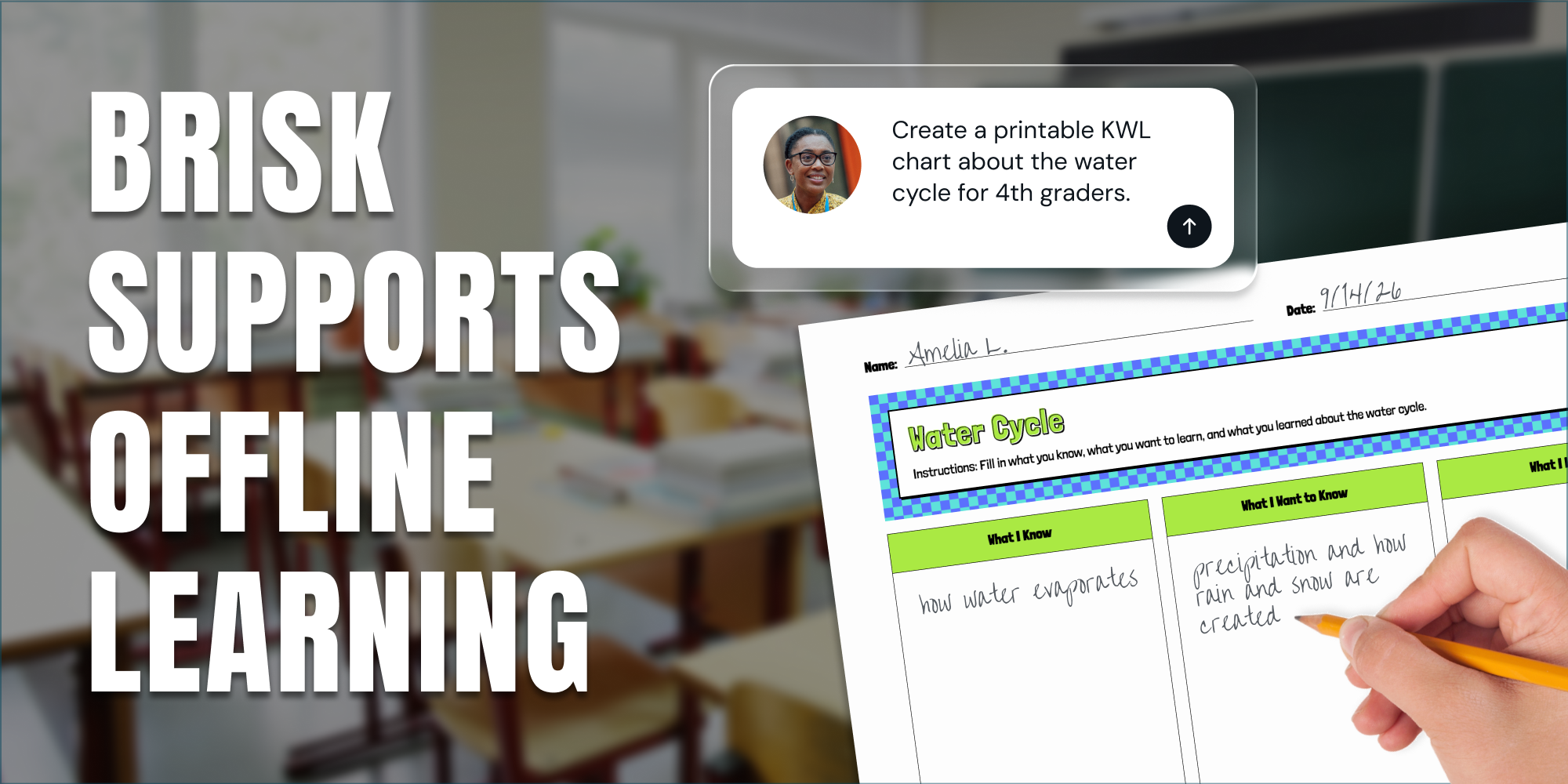
인쇄하거나, 화면에 띄우거나, 혹은 화면 없이 활용하기: 브리스크(Brisk)를 교실 환경에 맞게 활용하는 방법

Brisk는 교실 내 화면 사용 시간을 줄이려는 상황에서도 학생들의 학습을 지원할 수 있는 다양한 방법을 교사들에게 제공합니다.

Library shelves filled with books
August 14, 2026
Thought Leadership

Brisk in New White Paper on AI's Instructional Impact

Brisk founder Arman Jaffer shares his key takeaways from Whiteboard Advisors’ new white paper on measuring the instructional impact of AI in the classroom.

Library shelves filled with books
July 27, 2026
Tips for Teachers

60 Get-to-Know-You Questions for Students (For Every Grade)

60 get-to-know-you questions for students, organized by category and grade — plus, easy ways to use them for icebreakers, morning warm-ups, and first-day connection.

Library shelves filled with books
8
min
October 14, 2025
Tips for Teachers

12 Tried-and-True Classroom Management Strategies for Teachers

Discover 12 tried-and-true classroom management strategies teachers swear by. Build stronger relationships, reduce disruptions, and create a classroom where learning flows.

Every teacher knows the feeling: you’ve planned an engaging lesson, the kind that should spark curiosity and conversation, but halfway through the period you’re redirecting chatter, repeating instructions, or trying to get everyone back on task. It’s not that your content isn’t good — it’s that classroom management is the invisible framework that makes everything else possible.

Strong management isn’t about being strict. It’s about building trust, setting clear routines, and creating an environment where both you and your students can thrive. In fact, research consistently shows that effective management improves student engagement, boosts academic performance, and even reduces teacher stress and burnout.

The truth is, classroom management doesn’t look the same in every room. What works with a group of 3rd graders may flop with 10th graders. But certain strategies hold up across ages and contexts — and those are the ones you’ll find here. These are practical moves you can put into action right away.

Here are 12 tried-and-true classroom management strategies to help you build consistency, create calm, and get back to doing what you love most: teaching.

1. Set Clear Expectations from Day One

Students can’t follow rules they don’t know. Start the year with clear, simple expectations that are easy to remember. Post them where everyone can see and refer back to them often. Keep them short — 3–5 main rules are better than a long list.

Even better, involve students in creating those norms. When kids help write “Our Class Agreements,” they’re more invested. For example, instead of “No talking when the teacher is talking,” your class might agree on “We listen when others share.”

Pro Tip: Use Brisk to generate age-appropriate examples of class agreements or even create a reflection prompt for students to write their own.

2. Build Relationships First

Students behave better when they feel respected and seen. Think of relationship-building as preventative management. Greet students by name, ask about their weekends, and follow up when they share something important.

Small gestures matter: a smile at the door, noticing when someone changes their haircut, or commenting on a sports game they played. When students know you care, they’re more likely to stay engaged and less likely to act out.

One high school teacher shared that the moment she started checking in with each student during independent work time, disruptions decreased dramatically. That human connection is powerful.

3. Keep Routines Consistent

Students thrive on predictability. Routines save time, minimize confusion, and reduce the number of decisions you have to make on the fly. Think about the flow of your day: How do students enter the classroom? How do they transition between group work and independent practice? How do they submit assignments?

Create visual reminders or post step-by-step instructions on the board. The more consistent your routines, the smoother your lessons run. When kids know the “rhythm” of your classroom, there’s less space for off-task behavior to creep in.

Pro Tip: Use Brisk to create quick visual checklists or routine slides to keep transitions smooth.

4. Use Proximity and Presence

Sometimes the most effective classroom management strategy is simply where you stand. Circulating through the classroom, rather than teaching from one spot, sends a signal that you’re present and aware.

For example, if two students are whispering in the back, walking closer often stops the behavior without saying a word. Similarly, standing near a student who’s getting restless can redirect attention without interrupting the lesson.

Pair this with positive body language such as eye contact, nodding, or a quick smile — and you’re reinforcing both attention and connection.

5. Reinforce the Positive

Too often, attention goes to the loudest disruptions. But calling out positive behavior can shift classroom culture. Recognize when students are on task, helping a peer, or showing perseverance.

This doesn’t always mean stickers or points. Sometimes a simple, genuine, “I love how you jumped right into that task,” goes further than any reward system.

Over time, students realize that good behavior gets noticed, and that creates momentum.

6. Offer Choices

When students feel powerless, they push back. Offering choice gives them ownership and reduces resistance. Choices don’t have to be big — even letting students pick between working alone or with a partner, or choosing between two different assignment formats, can make a huge difference.

For instance, instead of saying “Write a paragraph about the novel,” try “Choose: write a paragraph, create a diagram, or record a voice note explaining your thinking.”

Pro Tip: Brisk makes it simple to generate multiple assignment formats at different reading levels — giving you ready-to-use choices without extra prep.

7. Break Lessons into Chunks

The longer you talk, the harder it is to hold student attention. Break lessons into shorter chunks with a mix of direct instruction, guided practice, and active learning.

Try a 10-2 rule: for every 10 minutes of instruction, give students at least 2 minutes to process, discuss, or apply. This keeps energy up and prevents behavior issues born out of boredom.

Exit tickets, “turn and talk,” or short polls can be easy ways to keep things moving.

8. Use Nonverbal Signals

Your voice doesn’t need to carry the entire classroom. Nonverbal cues — like a hand signal for quiet, clapping patterns, or even a countdown with your fingers — can bring order without raising stress levels.

Many teachers use call-and-response signals like, “Class, class?” → “Yes, yes!” It feels playful, gets attention quickly, and avoids constant reminders.

Pro Tip: Need quick ideas? Brisk can generate lists of age-appropriate call-and-response routines or attention-getters to refresh your toolbox.

9. Plan for Transitions

Most disruptions happen during downtime. Smooth transitions reduce opportunities for distraction. Give clear countdowns (“Two minutes left”) and use consistent cues when it’s time to shift tasks.

Some teachers use music — a 30-second song clip signals cleanup time. Others use visuals like a projected timer. The key is consistency so students know what’s expected.

Think of transitions as mini-routines. The more predictable they are, the smoother your day runs.

10. Stay Calm and Consistent

When chaos hits, your reaction matters. Students mirror your tone and energy. Staying calm shows students you’re in control even when things feel shaky.

Consistency is just as important. If you say there will be a consequence, follow through every time. Inconsistency breeds testing, students push boundaries to see what will stick.

A calm, steady approach builds trust: students know what to expect, and that predictability reduces acting out.

11. Involve Students in Problem-Solving

Sometimes misbehavior isn’t about defiance, it’s about unmet needs. When issues arise repeatedly, invite students into the solution. Ask questions like:

  • “What’s making it hard for you to stay on task?”
  • “What could help you participate more?”

This shifts the dynamic from confrontation to collaboration. Students often suggest practical fixes you hadn’t considered, and they’re more likely to follow through when it’s their idea.

12. Reflect and Adjust

No two groups of students are the same. What worked last year may flop this year. Regular reflection helps you fine-tune. Take five minutes on Friday to jot down what worked and what felt messy.

Some teachers also ask students for feedback: “What helps you learn best in this class?” Their answers can be eye-opening.

Pro Tip: Brisk makes it easy to generate reflection prompts or quick surveys for students, helping you gather insights without adding to your workload.

Bringing It All Together

Classroom management isn’t about creating a perfect room where nothing ever goes wrong. It’s about building an environment where students feel safe, respected, and ready to learn — and where you can teach without constantly putting out fires.

Start small. Pick one or two strategies from this list and try them this week. Over time, layering strategies builds consistency and creates a positive culture.

And remember: you don’t have to do it all alone. Tools like Brisk Teaching help lighten the load with lesson planning, differentiated materials, and quick feedback. The more time you reclaim from the busywork, the more energy you’ll have for the heart of classroom management: connecting with your students. 

Get started with Brisk Teaching today.

Library shelves filled with books
8
min
September 24, 2025
Tips for Teachers

23 Classroom Setup Ideas to Promote an Effective Learning Environment

From clever seating arrangement ideas to smart classroom organization tips, creating an effective learning space can feel like a blank canvas or a giant puzzle. But no need to overthink it - these 23 classroom setup ideas will help you make learning smoother and students more engaged.

Picture this: it’s back-to-school and your classroom looks more like a storage unit than a learning space. You’ve got bulletin boards, stacks of chairs, and a million little decisions staring you down. From where to put desks to how to organize supplies, every choice feels like a giant puzzle.

Here’s the good news... you don’t have to overthink it. These 23 classroom setup ideas will help you build a space that’s organized, welcoming, and built for learning without spending your whole summer rearranging furniture.

Classroom Setup Ideas for Younger Kids

In preschool, kindergarten, and elementary classrooms, a joyful, well-organized space makes all the difference. The right setup helps little learners transition smoothly, explore safely, and build independence.

  • Circle-time area: Carve out a carpet spot for morning meetings, stories, and songs. A consistent gathering spot builds routines and connection. Make it cozy with beanbags or a colorful rug.
  • Color-coded learning zones: Bright colors help kids learn where things “live” in the room. Use matching bins or shelf labels to make cleanup and transitions smoother.
  • Flexible seating: Beanbags, floor cushions, or wobble stools give wiggly learners a way to stay engaged. Model expectations early to avoid beanbag battles.
  • Sensory corner: Provide a quiet spot for students to regulate emotions. Include calming tools like fidgets or soft lighting away from high-traffic areas.

Teacher tip: Rotate circle-time themes or bulletin boards each month to keep routines fresh and engaging.

Inclusive Classroom Setup Ideas for Special Education

Every special education classroom is unique, but they all share the goal of meeting students where they are. From accessibility to sensory supports, setup choices can help all learners feel safe and included.

  • Clear paths for accessibility: Keep wide, predictable walkways for wheelchairs, walkers, or just big backpacks. Consistency builds comfort.
  • Calm-down area: Create a quiet corner stocked with sensory tools where students can regroup and rejoin class ready to learn.
  • Sound-dampening touches: Rugs, curtains, or tennis balls on chair legs can lower noise levels for sensitive students.
  • Multi-sensory learning stations: Stations that engage multiple senses help information stick. Rotate materials to keep interest high.

Want tailored activity ideas in minutes? Brisk can generate differentiated lessons and sensory-friendly resources without hours of prep. Check out 5 Ways to Use AI for Quick and Easy Back-to-School Prep with Brisk to generate differentiated activities in minutes.

Teacher tip: Introduce calm-down spaces during calm moments so they’re seen as supports, not punishments.

Flexible Classroom Setup Ideas for Collaborative Learning

Collaboration is easier when the room supports it. With flexible seating, clear zones, and shared resources, group work feels natural instead of chaotic.

  • Flexible lighting: Dim for discussions, brighten for projects. Small lighting changes set the mood.
  • Collaboration zones: Define group areas with rugs, bookshelves, or dividers so noise doesn’t spill everywhere.
  • Brainstorming walls: Whiteboards, sticky notes, or chalkboards help group thinking come alive. Snap photos to save ideas digitally.
  • Shared resource carts: Keep supplies on rolling carts so groups stay focused instead of crowding supply shelves.

Brisk can also generate prompts, discussion starters, and group activities tailored to your lesson, so collaboration starts with content, not just layout.

Teacher tip: Assign group roles like recorder, timekeeper, or presenter to keep everyone engaged.

Classroom Setup Ideas for Small Classrooms

When every inch counts, you need smart ways to maximize space.

  • Go vertical: Short on room? Go up, not out. Shelves, hooks, and pegboards free up floor space so you’re not stuck playing desk Tetris.
  • Dual-purpose furniture: Foldable tables, stackable chairs, and desks with hidden storage make reconfiguring quick.
  • Decluttered decor: Too much on the walls overwhelms a small room. Keep it calm and rotate displays seasonally.
  • Multi-use corners: Create a corner that flips from reading nook to group space to chill-out zone depending on the day.

Teacher tip: Use a rolling cart as your mobile teacher desk, it saves space and keeps essentials at your side.

Classroom Setup Ideas for Middle and High School

Teen classrooms come with their own challenges: devices, distractions, and limited space. The right setup makes management smoother.

  • Charging stations: A charging hub with labeled cords and surge protectors keeps devices ready and cuts down on “my battery’s dead” excuses.
  • Clear sight lines: Arrange seating so you can see every student, no hidden corners for phones. Small tweaks like staggered rows improve visibility.
  • Subject-themed walls: Reinforce learning with word walls, timelines, or diagrams. Update them throughout the year to match your unit.

With Brisk, you can also keep tabs on student work patterns and insights, pairing your classroom setup with data that helps you guide learning more effectively.

Teacher tip: Ask students to help rearrange desks once in a while. It saves you time and builds buy-in.

Classroom Setup Ideas for Tech-Integrated Learning

With devices now part of daily learning, the key is creating a digital-friendly setup that supports, not distracts from, your lessons.

  • Blended learning stations: Mix tech with hands-on tasks to reduce screen fatigue.
  • Cable management: Keep cords clipped and covered to prevent tripping hazards and visual clutter.
  • Projection-friendly layout: Check sight lines so all students can see clearly.
  • Recording corner: A small nook with decent lighting makes flipped lessons or student projects look polished.

Brisk can instantly turn your lessons into podcasts or student-friendly resources, so your tech setup goes beyond consumption and into creation.

Teacher tip: Assign a rotating “tech helper” to check cords and logins daily.

Wrap-Up

Classroom setups aren’t one-size-fits-all, they shift with your students and your teaching style. Each small change adds up to a space where students feel ownership and learning flows more smoothly.

Ready to try some of these ideas? Pair them with Brisk to generate fresh resources, feedback, and student activities that make your classroom setup work even harder for you. Start using Brisk for free today.

`

READY TO BRING BRISK TO YOUR DISTRICT?

See how 20,000+ districts adopted AI with full compliance and teacher buy-in from day one.